

Concert Photography is a real job, lets talk about respect...


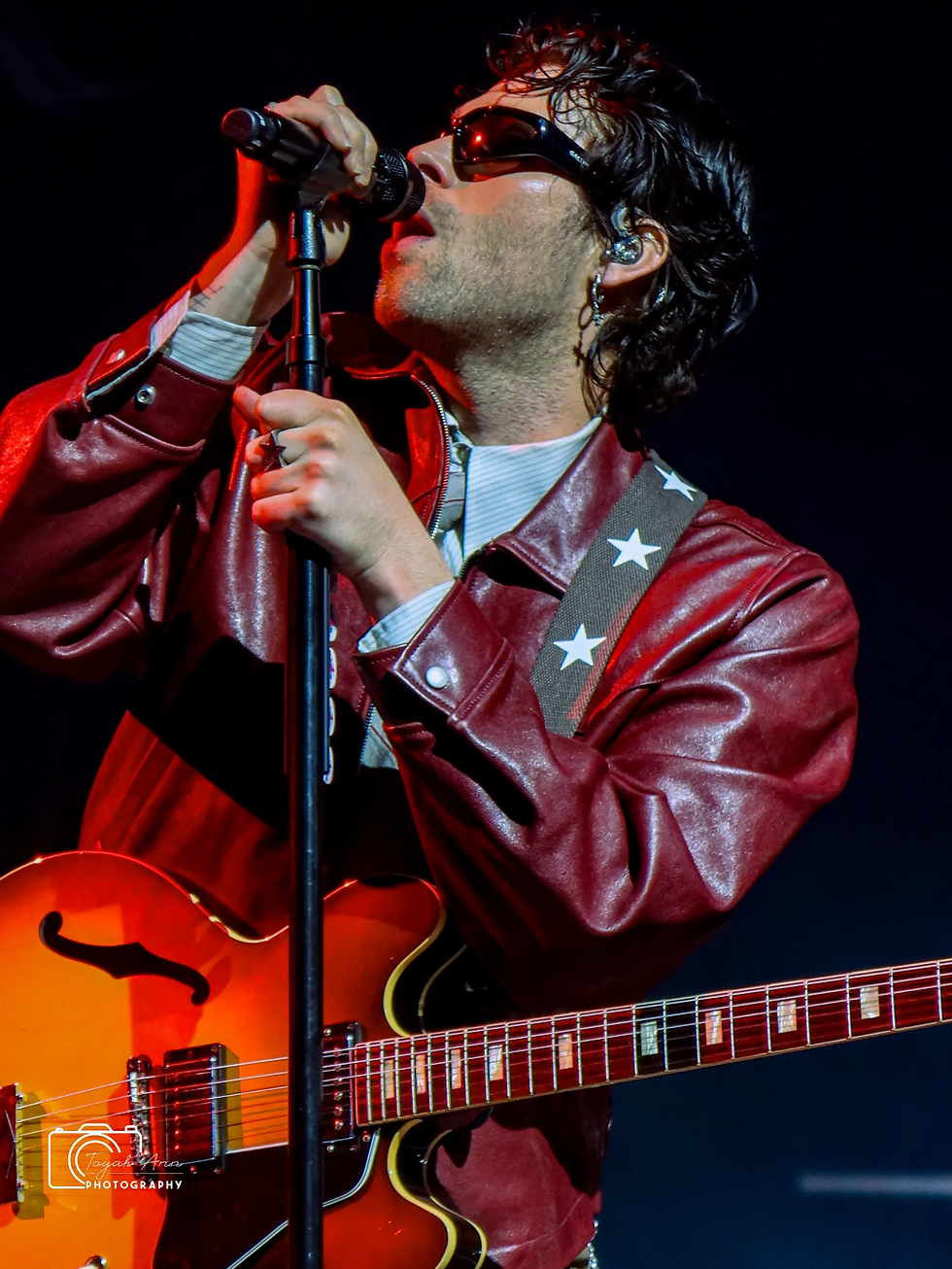
If you are as online as us lately you have likely seen this photo going around on social media and at a glance you probably don't notice the disrespect but look a little closer and not only will you realise there is a fake lip ring edited in but also the original Photographers watermark has been strategically cropped out.
If you now look at the original image you will not only notice a different story is being told than the one in this crop but now Toyah's watermark shows you who's work it is.
Why do watermarks matter and why credit the photographer? picture this, You work hard on an assignment your boss gives you. for months now you have gone unnoticed and suddenly at the next meeting he is discussing your work and you think you might actually be in the running to join the next even bigger project but there is one slight problem... your workmate took all the credit and he doesn't even see you. That is what you are doing to the photographers. For most of us our social media portfolios and the sharing of our watermarked images is waht makes people who are drawn to our work search the name in our watermark and look into hiring us for future work. If you crop out our watermarks you are actually reducing our chances of future work because now it could be you claiming it as your work or it could be someone else, but the boss doesn't see the actual owner.
You may have also seen this post going around. Photos that are not yours should also not be used on merch or any works where you make profit and the original artist does not. You may note that the post mentions rights to a photo so lets explore that...
Concert photography involves both the photographer’s copyright and the artist’s right to control their image. Photographers own the copyright to their photos, but when fans share them on social media, it can become unclear. Usually, what is allowed depends on the artist’s permission and the social media platform’s rules. Photographers own the copyright to their images from the moment they take them, even if they have signed a photo release form. To enter the photo pit, photographers need a photo pass, which often comes with a contract. These contracts may limit how the images can be used, such as allowing only editorial use and prohibiting product sales, so the artist can control how their image is used in business. Even though the photographer owns the photo, the artist and venue can limit when photos are taken or sold, sometimes using trademark laws. When photographers share their photos online, fans often repost them on social media. Technically, this violates copyright without permission, but it is often allowed as long as the photographer is credited and it is considered free promotion. Fans are not allowed to use these photos to make their own products, like t-shirts or posters, without permission. Doing this breaks the photographer’s copyright and possibly the artist’s rights to sell merchandise. Many photographers are okay with fans reposting their photos as long as it is not for profit and proper credit is given. Photographers own the copyright, but artists control how the images are used for business. Fans can usually share these photos for personal, non-commercial use on social media, but they do not actually own any rights to the professional images.
So we get it, fans are excited to share images of their favourite artists around but next time just consider is the way I'm sharing this image hurting someone else?

Comments